
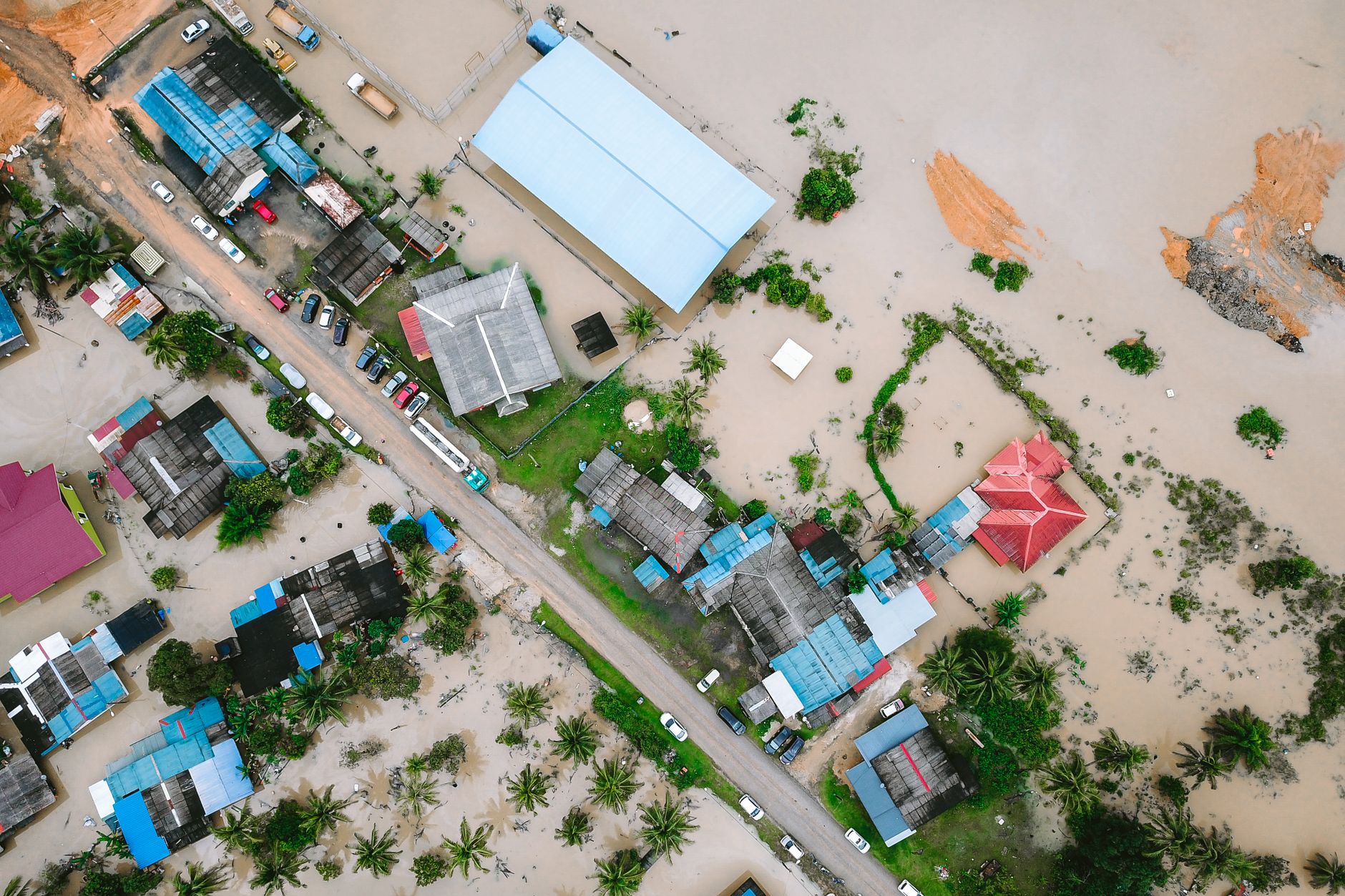
climate resilience planning is crucial for communities facing climate change challenges. The Government of Canada has released a new report that outlines key strategies to enhance resilience and adapt effectively to environmental changes.
Understanding Climate Resilience
As climate change continues to pose significant challenges globally, understanding climate resilience has become increasingly critical for communities and governments alike. Climate resilience refers to the ability of a system, community, or economy to anticipate, prepare for, respond to, and recover from adverse climate events. It encompasses a range of strategies aimed at reducing vulnerabilities and enhancing adaptive capacity.
The recent climate report released by the Government of Canada emphasizes the importance of effective climate resilience planning. This report highlights various strategies that can be employed to build resilience against climate-related hazards. These strategies include:
- Infrastructure enhancement: Upgrading facilities and utilities to withstand extreme weather conditions.
- Natural solutions: Preserving and restoring ecosystems, such as wetlands and forests, to act as natural barriers against climate impacts.
- Community engagement: Involving local populations in resilience planning to ensure that strategies reflect their needs and knowledge.
- Policy integration: Incorporating climate resilience into all levels of governance and decision-making.
By adopting these best practices, communities can significantly enhance their capacity to deal with climate-related challenges, ultimately leading to a more sustainable and secure future.
Key Findings of the New Report
A new report released by the Government of Canada highlights essential strategies for effective climate resilience planning. The key findings emphasize the importance of comprehensive approaches that integrate environmental, social, and economic factors. This multifaceted perspective is crucial for communities to adapt to the ongoing impacts of climate change.
Among the report’s most significant findings are:
- Collaboration is essential: Engaging local communities, governments, and stakeholders fosters collective action and shared responsibilities.
- Data-driven decision making: Utilizing robust climate data and predictive modeling helps in understanding vulnerabilities and planning accordingly.
- Investment in green infrastructure: Implementing sustainable practices, such as green roofs and permeable pavements, can significantly enhance urban resilience.
- Education and awareness: Raising public awareness about climate risks and resilience strategies empowers individuals and communities to participate actively in planning efforts.
- Continuous monitoring and evaluation: Establishing metrics to assess the effectiveness of resilience measures ensures that strategies remain relevant and adaptive to changing conditions.
The report underscores that successful climate resilience planning is not just a governmental responsibility but requires the active involvement of all sectors of society.
Why Climate Resilience Planning Matters
Climate resilience planning is crucial in addressing the growing impacts of climate change on communities and ecosystems. With recent reports highlighting significant shifts in climate patterns, it has become evident that proactive measures are necessary to safeguard both human and natural systems.
This planning process not only prepares for immediate challenges but also ensures long-term sustainability. The government’s latest climate report emphasizes the need for adaptive strategies that can evolve as conditions change. By investing in climate resilience planning, municipalities can protect infrastructure, enhance public health, and bolster economic stability.
Key reasons why climate resilience planning matters include:
- Risk Mitigation: Identifying vulnerabilities allows communities to implement solutions that reduce potential damages from climate-related events.
- Resource Optimization: Effective planning ensures that resources are allocated efficiently, maximizing the impact of investments.
- Community Engagement: Involving local populations in the planning process fosters a sense of ownership and responsibility for climate action.
- Environmental Protection: Strategies developed through climate resilience planning help preserve ecosystems that are vital for biodiversity.
In conclusion, prioritizing climate resilience planning is not just an option; it is an essential strategy for building a sustainable future in the face of climate change.
Strategies for Effective Implementation
Implementing effective climate resilience planning requires a structured approach that incorporates various strategies tailored to local needs. Here are some proven strategies for successful implementation:
- Engagement of Stakeholders: Involving local communities, businesses, and organizations is essential to ensure that the strategies address the specific vulnerabilities of the population.
- Data-Driven Decision Making: Utilizing the latest climate data helps in identifying risks and informs the planning process by providing evidence-based solutions.
- Integrated Approaches: Combining environmental, social, and economic factors into resilience strategies fosters a holistic understanding of the challenges and opportunities.
- Adaptation of Infrastructure: Upgrading and retrofitting existing infrastructure to withstand climate impacts is crucial for long-term resilience.
- Continuous Monitoring and Evaluation: Regular assessment of implemented strategies ensures that they remain effective in the face of changing climate conditions.
- Education and Awareness: Raising awareness about climate risks and resilience strategies among the public can lead to greater community involvement and support.
These strategies highlight the importance of a collaborative and adaptive approach in climate resilience planning, ultimately leading to more sustainable and resilient communities.
Government Initiatives in Climate Action
The Government of Canada has made significant strides in advancing climate resilience planning through various initiatives aimed at supporting communities in adapting to climate change. These initiatives focus on enhancing the capacity of local governments to implement effective strategies for climate action.
One notable program is the Climate Adaptation Strategy, which provides funding for projects that increase community resilience against climate impacts. This strategy encourages collaboration between federal, provincial, and local governments to share resources and best practices.
Additionally, the National Disaster Mitigation Program allocates funds for projects that reduce risks associated with natural disasters exacerbated by climate change. By investing in infrastructure improvements, communities can better withstand extreme weather events.
The government also emphasizes the importance of community engagement in climate resilience planning. By involving local stakeholders in decision-making processes, initiatives are more likely to reflect the unique needs of each community. This participatory approach not only fosters local ownership but also enhances the effectiveness of climate action plans.
Ultimately, these government initiatives underscore the critical role of coordinated action in building climate resilience, ensuring that communities are well-equipped to face the challenges posed by a changing climate.
Community Involvement in Resilience Planning
Community involvement in resilience planning is a crucial element that enhances the effectiveness of climate resilience strategies. Engaging local populations allows for a more tailored approach that considers unique regional challenges and resources.
Moreover, community members bring valuable insights and firsthand knowledge about their environment, which can significantly inform planning decisions. Involving residents not only fosters a sense of ownership but also encourages proactive behavior in implementing climate resilience initiatives.
Key strategies for effective community involvement include:
- Public Workshops: Conducting workshops to educate and gather feedback from community members ensures that diverse perspectives are included in the planning process.
- Partnerships with Local Organizations: Collaborating with local NGOs and community groups can facilitate outreach and enhance trust among residents.
- Surveys and Polls: Utilizing surveys to assess community needs and priorities can help in shaping effective climate resilience planning.
- Volunteer Programs: Encouraging volunteer efforts for local projects can build community spirit and drive grassroots involvement.
Incorporating these strategies not only strengthens community ties but also aligns local actions with broader climate resilience goals, ultimately leading to more sustainable and effective outcomes.
Photo by Pok Rie on Pexels
References
How to Get to the Start of the Manaslu Circuit · Tantric London delivering professional and intimate massage sessions for relaxation · Advanced MT4 Risk Management Indicators for Smarter Trade Protection and Control




Leave a Reply