
lower drug prices is a pressing issue in the U.S. healthcare system, and reforming the patent system could be a key solution to make medications more affordable for everyone.
Understanding Drug Pricing
The issue of drug pricing has become a significant concern for many Americans, prompting calls for reform. Understanding the factors influencing these prices is crucial in the quest to lower drug prices. The U.S. patent system plays a pivotal role in how medications are priced and distributed.
Pharmaceutical companies often hold patents for extended periods, allowing them to set high prices without competition. This can lead to issues such as:
- Increased out-of-pocket costs for patients
- Limited access to essential medications
- Market monopolies that stifle innovation
By reforming the patent system, lawmakers could encourage a more competitive market, potentially leading to lower drug prices and improved access to necessary treatments for all.
The Role of Patents in Pharma
The patent system plays a crucial role in the pharmaceutical industry, influencing the cost and accessibility of medications. Patents grant companies exclusive rights to produce a drug for a limited time, often leading to higher prices. This exclusivity can delay the introduction of cheaper generics, keeping drug prices elevated.
Several key factors highlight the impact of patents on drug pricing:
- Innovation vs. Accessibility: While patents incentivize research and development, they can also limit patient access to essential medications.
- Market Monopoly: A patented drug often faces little competition, allowing companies to set prices without market pressure.
- Extended Patents: Tactics such as “evergreening” allow companies to extend patent protections, further delaying lower drug prices.
Reforming the patent system could be a pivotal step toward achieving more affordable medications for all.
Lower Drug Prices: Why Reform is Necessary
The high cost of prescription medications has become a pressing issue for many Americans, prompting calls for change. To achieve lower drug prices, it is essential to address the inefficiencies inherent in the current patent system. The existing framework often allows pharmaceutical companies to extend patent protections, resulting in prolonged monopolies and inflated prices.
Reform is necessary for several reasons:
- Affordability: Many patients struggle to afford essential medications, leading to skipped doses or untreated conditions.
- Access: High prices can limit access to life-saving treatments, particularly for low-income populations.
- Innovation: A reformed patent system could foster competition, encouraging the development of new generics and biosimilars.
Ultimately, addressing these issues through patent reform could pave the way for more sustainable and equitable healthcare solutions.
Impact of Patent System on Costs
The current patent system significantly influences the costs associated with prescription medications, ultimately affecting consumers and healthcare providers alike. High prices for drugs can be traced back to prolonged patent protections that prevent competition and innovation. This creates a market where pharmaceutical companies can set prices without fear of low-cost alternatives.
Experts argue that reforming this system could lead to lower drug prices by:
- Shortening patent durations: Allowing generics to enter the market sooner can stimulate competition.
- Increasing transparency: Demanding clearer pricing structures can help consumers make informed choices.
- Implementing compulsory licensing: Governments could authorize generic production in emergency situations, ensuring access to essential medications.
By addressing these issues within the patent framework, stakeholders can pave the way for more affordable healthcare solutions for all.
Successful Patent Reforms Worldwide
Various countries have successfully implemented patent reforms that have led to lower drug prices, providing valuable lessons for the United States. These reforms often focus on balancing the interests of pharmaceutical companies with the need for affordable medication.
- Canada: The introduction of a compulsory licensing system allows generic manufacturers to produce lower-cost alternatives when drug prices are deemed excessively high.
- Australia: The Pharmaceutical Benefits Scheme negotiates prices with drug manufacturers, ensuring that consumers pay a fair price for medications.
- Germany: A transparent negotiation process mandates that drug prices are set based on added therapeutic value, promoting competition among manufacturers.
Such reforms have not only improved access to essential medicines but also demonstrated that effective patent systems can coexist with the goal of lower drug prices.
Challenges in Reforming the U.S. Patent System
Reforming the U.S. patent system to achieve lower drug prices presents several challenges that must be navigated carefully. One significant issue is the strong lobbying power of pharmaceutical companies, which often resist changes that could affect their profit margins. Additionally, the current system is deeply entrenched, making substantial modifications difficult to implement.
Furthermore, there is a lack of consensus among policymakers on the best approach to reform. Proposed changes may include limiting the duration of patents or introducing new regulations to enhance competition. However, these ideas can face pushback from various stakeholders concerned about innovation and the potential impact on drug development.
To successfully tackle these challenges, it is essential to engage in open dialogue among all parties involved and to consider models that have worked in other countries. Only through collaborative efforts can the goal of lower drug prices be effectively achieved.
Public Opinion on Drug Prices
Public opinion on drug prices has shifted dramatically in recent years, with many Americans expressing frustration over the high costs of medications. A recent survey indicates that over 70% of respondents support efforts to lower drug prices through systematic reforms.
Concerns about accessibility and affordability have prompted discussions around the need for a revamped patent system. Citizens recognize that the current system often leads to monopolistic practices, stifling competition and innovation.
Key factors influencing public sentiment include:
- Personal experiences with high prescription costs
- Awareness of international pricing disparities
- Advocacy from health organizations and patient groups
This growing demand for change underscores a collective desire for policies that prioritize public health over pharmaceutical profits, highlighting the importance of addressing patent reforms to ultimately achieve lower drug prices.
Next Steps for Policymakers
As the conversation around lower drug prices continues to gain momentum, policymakers face crucial decisions regarding the future of the patent system. To effectively implement reforms, they must consider several key steps:
- Evaluate Current Patent Laws: Analyzing existing laws and identifying areas for improvement can help streamline the patent process.
- Encourage Transparency: Mandating clearer disclosure of drug pricing and patent information can empower consumers and foster competition.
- Promote Alternative Models: Exploring innovative models, such as public options or value-based pricing, can provide pathways to lower costs.
- Engage Stakeholders: Involving healthcare professionals, patient advocacy groups, and pharmaceutical companies in discussions can lead to more balanced solutions.
- Monitor and Adapt: Establishing mechanisms for ongoing evaluation of reforms will ensure they remain effective in achieving lower drug prices.
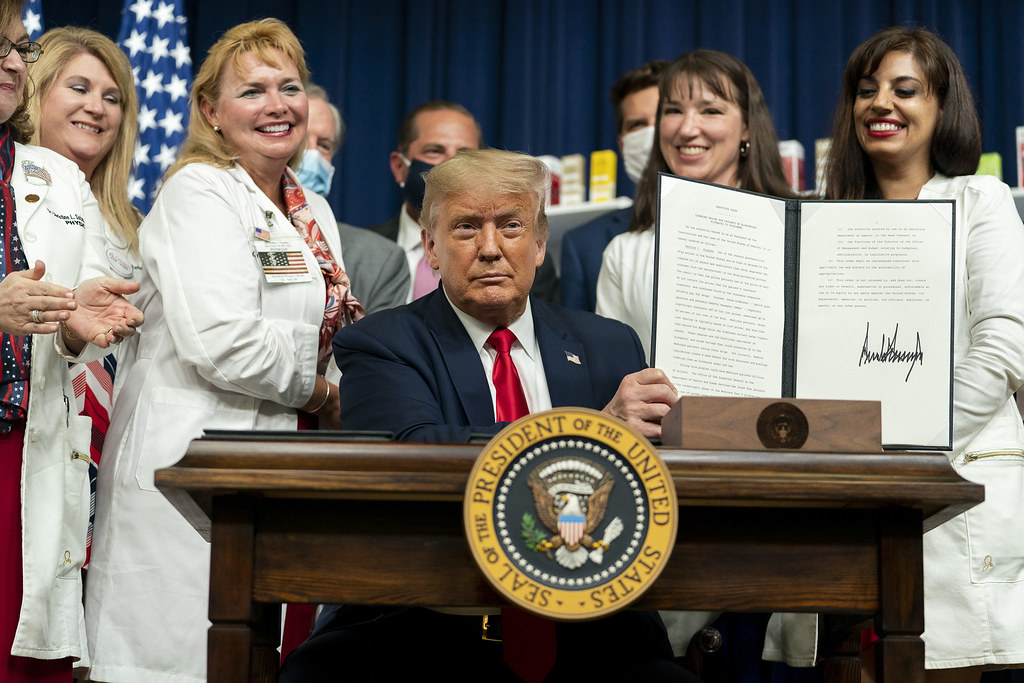
By The White House via Openverse





Leave a Reply